
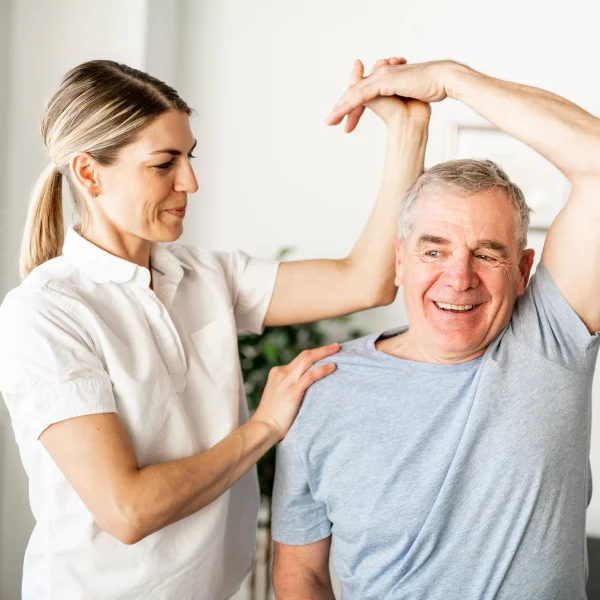
Falls are one of the leading causes of injury among older adults, often affecting independence, mobility, and confidence. Many seniors experience poor balance, muscle weakness, or health conditions that increase the risk of falls during everyday activities. Fortunately, physiotherapy offers effective strategies for fall prevention, helping seniors maintain mobility, confidence, and overall health.
At Whitby Physiotherapy & Sports Rehab, a skilled physiotherapist can develop personalized programs designed to improve stability, increase muscle strength, and enhance safety in daily life.
Understanding the Risk of Falls
As people age, changes in strength, coordination, and sensory systems can affect balance and movement. Reduced reaction time, lower body weakness, and changes in the inner ear—which plays a key role in balance—can all contribute to unsteadiness.
Several risk factors can increase the likelihood of falling, including:
- Poor balance and reduced core strength
- Chronic health conditions such as arthritis or osteoporosis
- Medications that affect coordination or alertness
- Vision problems or poor lighting at home
- Environmental hazards like loose rugs or cluttered walkways
- Changes in walking pattern or reduced mobility
Many seniors also develop a fear of falling, which can lead to avoiding physical activity. Unfortunately, reduced movement can further weaken muscles and worsen balance issues.
How Physiotherapy Helps Prevent Falls
A qualified physical therapist performs a detailed assessment to determine the causes of balance difficulties. This assessment may include posture analysis, walking evaluation, and tests of proprioceptive awareness, coordination, and vestibular function.
Based on the findings, a customized treatment plan is developed. Physiotherapy helps address both physical limitations and environmental concerns that contribute to falls.
Common interventions may include:
- Targeted strength exercises to build lower-body stability
- Balance training to improve coordination and control
- Vestibular exercises to address dizziness or inner ear issues
- Gait retraining to improve the walking pattern
- Education about home safety and fall hazards
These programs aim to restore confidence while improving the ability to perform daily activities safely.
Balance Exercises That Improve Stability
A structured exercise program is one of the most effective ways to reduce the risk of falls. Balance exercises and strengthening routines improve coordination, stability, and body awareness.
Some examples of exercises used in falls prevention programs include:
Sit-to-Stand
This functional movement strengthens the legs and improves the ability to rise safely from a chair. Repeated sit-to-stand practice strengthens key muscles needed for everyday tasks.
Heel-to-Toe Walking
Walking in a straight line with one foot directly in front of the other improves balance and coordination.
Toe Walking
Controlled toe walking helps strengthen calf muscles and improve ankle stability.
Core Strength Training
Exercises that target core strength help stabilize the body and support proper posture during movement.
Proprioceptive Training
Balance activities that challenge body awareness, improve coordination, and stability.
In some cases, gentle activities like tai chi may also be recommended. Tai chi is known to improve flexibility, coordination, and balance while promoting relaxation and well-being.
Strength Training for Fall Prevention
Reduced muscle strength—especially in the lower body—is a major contributor to instability. A physiotherapist may include strength-training exercises targeting the hips, knees, and ankles.
These specific exercises help seniors:
- Improve balance and stability
- Support safe walking and standing
- Reduce fatigue during movement
- Increase confidence in mobility
A progressive training program ensures exercises remain safe while gradually improving strength and coordination.
Improving Safety at Home
Fall prevention also involves improving the home environment. Simple home safety modifications can significantly reduce hazards.
A physiotherapist may recommend:
- Removing loose rugs or securing them properly
- Installing grab bars in bathrooms and near stairs
- Improving poor lighting in hallways and entrances
- Using assistive devices such as canes or walkers if necessary
These adjustments can make a big difference in maintaining independence and preventing injuries.
Supporting Long-Term Wellness
Maintaining mobility and independence is essential for seniors’ quality of life. Participating in regular physio sessions and following a personalized exercise program can help seniors remain active, confident, and safe.
If balance problems, unsteadiness, or mobility concerns arise, seeking healthcare support early can make a significant difference. A referral to physiotherapy allows seniors to receive expert guidance and individualized care.
Through targeted balance training, strengthening exercises, and practical fall-prevention strategies, physiotherapy at Whitby Physiotherapy & Sports Rehab plays a vital role in protecting seniors’ wellness, improving mobility, and supporting long-term well-being.