
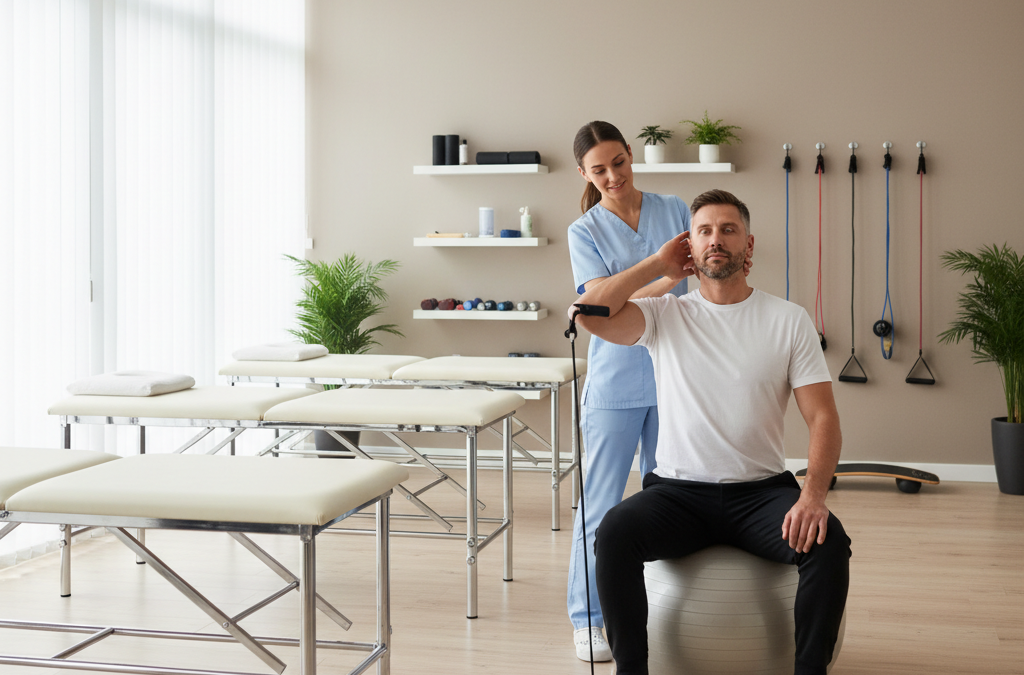
Motor vehicle accident injury recovery is a phased rehabilitation process that restores mobility, reduces pain, and rebuilds function after a crash. It starts with early assessment and symptom control, progresses through targeted exercise and manual therapy, and ends with return-to-work and sport strategies—supported by documentation for insurers and clear home plans.
By Whitby Physiotherapy & Sports Rehab • Last updated: April 9, 2026
Above the Fold: Why This Guide Matters + Table of Contents
Use this guide to move from post-accident uncertainty to a confident, step-by-step plan. You’ll learn how rehabilitation works, what to do in each phase, and how integrated care at Whitby Physiotherapy & Sports Rehab supports faster, safer healing with direct billing for Motor Vehicle Accident (MVA) claims.
- What motor vehicle accident injury recovery involves and why timing matters
- Step-by-step actions for the first 72 hours, weeks 1–6, and beyond
- How physiotherapy, chiropractic, massage, vestibular therapy, acupuncture, shockwave, and custom orthotics fit together
- Return-to-work and return-to-sport milestones and documentation
- Red flags, insurance tips, and what to track for your care team
Quick Answer
Motor vehicle accident injury recovery is best managed with early assessment, pain control, and progressive rehab. At our clinic on 198 Des Newman Blvd in Whitby, we coordinate physiotherapy, vestibular/concussion care, massage, chiropractic, and acupuncture with direct MVA billing and clear documentation to support your claim and outcomes.
Local Tips
- Tip 1: If you’re sore after a fender-bender near 198 Des Newman Blvd, avoid heavy lifting and book an assessment the same day. Early screening helps rule out red flags and shortens recovery time.
- Tip 2: Winter roads in Whitby can increase slip-and-fall risk after an MVA. Wear supportive footwear and consider custom orthotics if lower-limb pain or gait changes persist.
- Tip 3: For dizziness, headaches, or light sensitivity after a collision, ask for vestibular and concussion physiotherapy during intake—early rehab reduces symptom duration and guides your safe return to driving.
IMPORTANT: These tips complement an in-person assessment at Whitby Physiotherapy & Sports Rehab and do not replace medical care.
Summary
Recovering from a car crash requires staged care: calm symptoms, restore movement, rebuild strength, and prevent relapse. The fastest progress happens when you combine manual therapy, progressive exercise, and education—aligned with insurer documentation and home routines you can actually follow.
- Start within 48–72 hours unless you’re advised to rest longer due to acute findings.
- Combine hands-on care with graded mobility work and targeted strengthening.
- Screen for concussion and vestibular issues early to manage dizziness and headaches.
- Document symptoms, sleep, and function—this helps clinicians tailor care and supports claims.
- Use direct insurance billing and coordinated services under one roof to remove barriers.
What Is Motor Vehicle Accident Injury Recovery?
Motor vehicle accident injury recovery is the structured plan to reduce pain, restore movement, and return to normal life after a collision. It blends clinical assessment, manual therapy, exercise, and education—layered with specialized services like vestibular care, massage, and acupuncture when needed.
- Definition: A phased rehabilitation program that addresses acute pain, mobility, strength, balance, and resilience after a crash.
- Common injuries: Whiplash and neck strain, low back pain, shoulder sprains, knee/ankle injuries, headaches, concussion, vertigo, and soft-tissue bruising.
- Core components: Thorough assessment, symptom control, movement restoration, strength and conditioning, functional retraining, and prevention planning.
- Integrated options: At our Whitby clinic, evidence-based physiotherapy is integrated with chiropractic care, massage therapy, vestibular/concussion rehab, acupuncture, shockwave, and Bioflex Laser when appropriate.
- Why phased: Tissue healing follows timelines. Pacing reduces setbacks and prevents fear-driven avoidance that slows recovery.
In our experience supporting over 20,000 patient journeys locally, the clearest wins come from personalized plans that match your symptoms, goals, and day-to-day demands.
Why Motor Vehicle Accident Injury Recovery Matters
The right plan prevents chronic pain, reduces time away from work, and restores confidence behind the wheel. Coordinated care under one roof speeds decisions, supports claims, and keeps you progressing without avoidable gaps or delays.
- Prevent chronicity: Delayed or fragmented care increases the risk of persistent neck and back pain and long-term headaches.
- Return to function: Staged loading and balance work rebuild tolerance for lifting, desk work, and driving.
- Safety first: Early concussion and vestibular screening limits risks with screen time, busy environments, and highway driving.
- Claim support: Direct MVA billing and detailed clinical notes reduce admin friction so you can focus on recovery.
- Local access: Our integrated team in Whitby reduces travel and coordination time—critical in the first 2–6 weeks after a crash.
We’ve found that patients who begin within the first week progress faster and report higher confidence returning to routine activities.
How Recovery Works: A Step-by-Step Plan
Start with assessment and pain control, add gentle mobility, then build strength and function. Your plan advances based on symptoms and goals, not the calendar, with clear milestones for work and sport.
- 0–72 hours: Triage + protect
- Rule out red flags: severe headache, vision changes, chest pain, numbness, progressive weakness.
- Use relative rest, comfortable positions, and gentle range-of-motion for neck/back as tolerated.
- Log symptoms (pain, dizziness, sleep) and note aggravating activities.
- Week 1: Comprehensive assessment
- Physiotherapy exam: posture, joint mobility, soft-tissue tenderness, strength, and movement control.
- Concussion/vestibular screening if dizziness, headache, or fogginess is present.
- Goal-setting: commute tolerance, desk work stamina, safe lifting, or sport-specific demands.
- Weeks 1–3: Calm symptoms + restore movement
- Manual therapy to reduce muscle tone and improve joint mobility.
- Gentle mobility: chin tucks, thoracic rotations, hip/knee range-of-motion, breathing drills.
- Education: pacing, posture breaks, sleep hygiene, and stress strategies.
- Weeks 2–6: Strength and control
- Progressive loading for neck, scapular stabilizers, trunk, and hips.
- Balance and vestibular exercises if dizziness or visual motion sensitivity persists.
- Work simulation: lifting practice, carry tasks, sit/stand tolerance, and ergonomic updates.
- Weeks 4–10: Return-to-work/sport
- Conditioning (walking, cycling) and graded driving exposure.
- Sport drills: acceleration/deceleration, cutting, reaction time as appropriate.
- Prevention plan: self-management checklist, flare-up playbook, and long-term strength routine.
| Phase | Primary goals | Typical focus | Clinic services |
|---|---|---|---|
| 0–72 hours | Screen red flags, reduce acute pain | Relative rest, gentle range, positions of comfort | Initial physiotherapy assessment; referral if needed |
| Weeks 1–3 | Calm symptoms; restore mobility | Manual therapy; basic mobility; education | Physiotherapy; massage; acupuncture (as indicated) |
| Weeks 2–6 | Strength, control, balance | Progressive loading; vestibular drills if needed | Physiotherapy; vestibular/concussion rehab |
| Weeks 4–10 | Return to work/sport | Conditioning; task/sport practice; prevention | Physiotherapy; chiropractic; sports rehab |
As progress builds, we document milestones and barriers—useful for both decision-making and insurer reporting throughout your motor vehicle accident injury recovery.
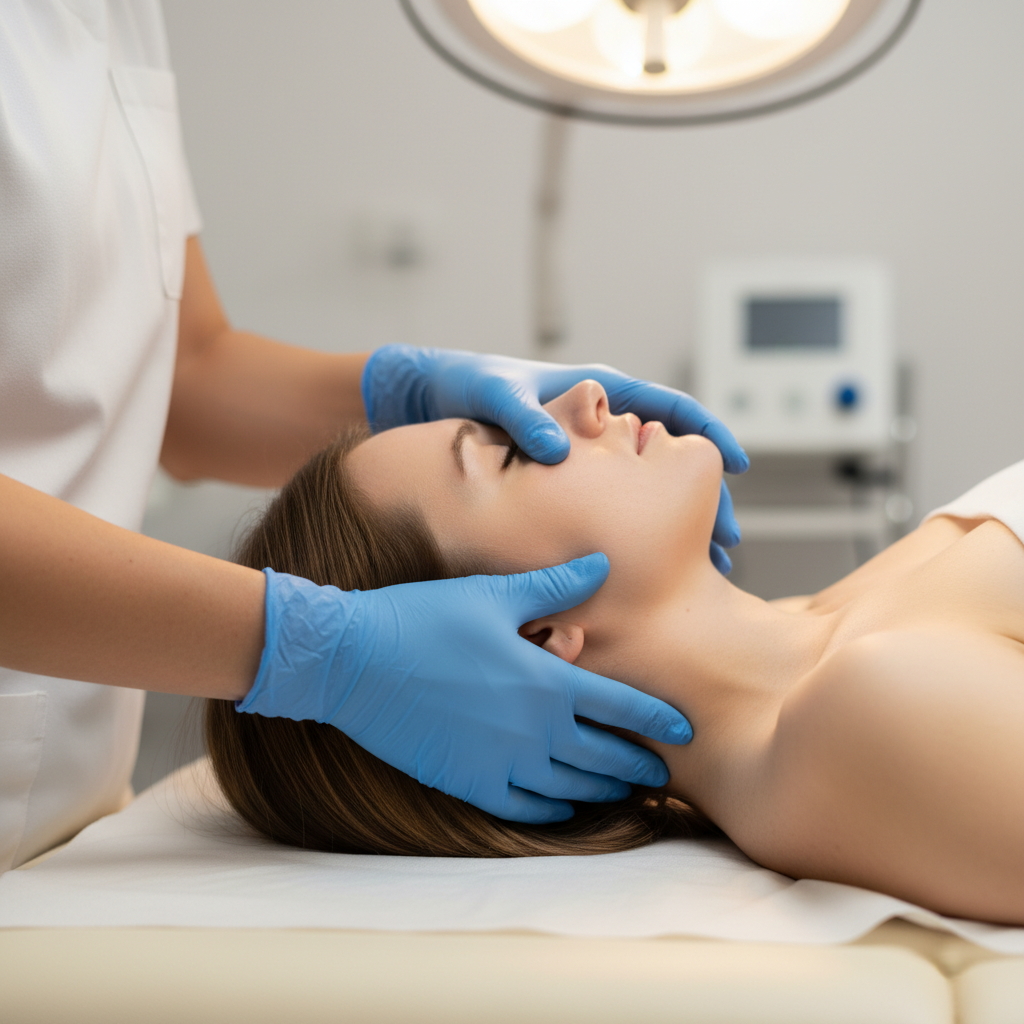
Injury Types and Evidence-Based Approaches
Match the treatment to the injury. Combine manual therapy and exercise for strains and sprains, add vestibular and concussion care for dizziness and headaches, and use targeted loading and gait work for lower-limb issues.
Whiplash-Associated Disorders (Neck Pain, Headache)
- What it is: Rapid acceleration–deceleration strains muscles, joints, and nerves, often causing stiffness, headaches, and sleep disruption.
- Clinic approach: Manual therapy, graded neck mobility, deep neck flexor work, scapular strengthening, and breathing drills.
- When to add: Massage therapy for tone reduction and acupuncture for pain modulation if progress stalls.
- Return goals: Comfortable driving head checks and workstation tolerance with micro-breaks.
Concussion and Vestibular Dysfunction
- Typical signs: Headache, fogginess, dizziness, light/noise sensitivity, motion intolerance.
- Clinic approach: Sub-symptom aerobic work, vestibulo-ocular reflex drills, visual motion desensitization, balance progressions, and graduated return-to-driving.
- Learn more: See our dedicated service page on concussion physiotherapy in Whitby for a deeper breakdown of protocols and screening.
- Extra resource: Our community guide on post-concussion care and vestibular rehab offers practical home strategies; explore insights in our Whitby concussion guide.
Low Back and Thoracic Pain
- Focus areas: Hip mobility, trunk control, glute strength, and pain-free movement patterns for daily tasks.
- Clinic approach: Manual therapy, directional preference movements, hip hinge training, and core endurance progressions.
- Functional goals: Sitting, driving, and lifting tolerance without morning flare-ups.
Shoulder, Hip, Knee, and Ankle Injuries
- Common findings: Rotator cuff strain, AC irritation, hip flexor strain, patellofemoral irritation, ankle sprain.
- Clinic approach: Joint and soft-tissue work, neuromuscular re-education, progressive loading, and sport-drill reintegration.
- Orthotics: If gait mechanics change after lower-limb injury, we assess for custom orthotics to stabilize stride and reduce compensations.
Headaches and Myofascial Pain
- Drivers: Guarded breathing, upper-trapezius overuse, and trigger points from protective patterns.
- Clinic approach: Breathing mechanics, cervical–thoracic mobility, massage therapy, and loaded carries to normalize tone.
Fractures and Post-Surgical Rehab
- Coordination: We align with surgeon protocols, respect tissue healing windows, and progress load as cleared.
- Goals: Range restoration, strength symmetry, and confident return to daily function and sport skills.
Best Practices for Faster, Safer Healing
Prioritize early movement, progressive loading, and symptom-guided pacing. Track sleep and stress, screen for concussion, and use a prevention plan to maintain gains after discharge.
- Begin gently, early: Light range-of-motion and walking help circulation and confidence.
- Graded exposure: Increase demand in small steps—distance, speed, load—while staying under symptom thresholds.
- Consistency over intensity: Daily micro-sessions beat occasional long workouts in early phases.
- Breathing and posture breaks: Offload the neck and improve endurance for desk work and driving.
- Sleep as therapy: Better sleep supports tissue healing and cognitive recovery after concussion.
- Red flags: Sudden neurological changes, uncontrolled headache, chest pain, or fainting need urgent medical review.
- Admin readiness: Keep a brief log of symptoms, activity tolerance, and days off—useful for adjusters and return-to-work planning.
Tools and In-Clinic Resources That Accelerate Progress
Manual therapy and exercises do the heavy lifting. Specialty options like vestibular therapy, acupuncture, shockwave, and Bioflex Laser are added strategically to maintain momentum.
- Physiotherapy: Assessment, manual therapy, exercise prescription, and prevention planning.
- Chiropractic care: Spinal and joint care to improve mobility and reduce pain.
- Massage therapy: Soft-tissue work to ease tone and guard, supporting better movement quality.
- Vestibular and concussion rehab: Symptom-limited cardio, gaze stability, visual motion tolerance, and balance.
- Acupuncture: Pain modulation and relaxation to reduce muscle guarding.
- Shockwave therapy: Focused on chronic tendon and soft-tissue pain once acute irritability settles.
- Bioflex Laser: Low-level laser therapy adjunct for tissue healing in selected cases.
- Kinesio taping: Proprioception and comfort for gradual loading.
- Custom orthotics: Gait stability for lower-limb injuries and back comfort during walking.
- Digital support: Quick online booking and reminders through our scheduling system to keep adherence high.
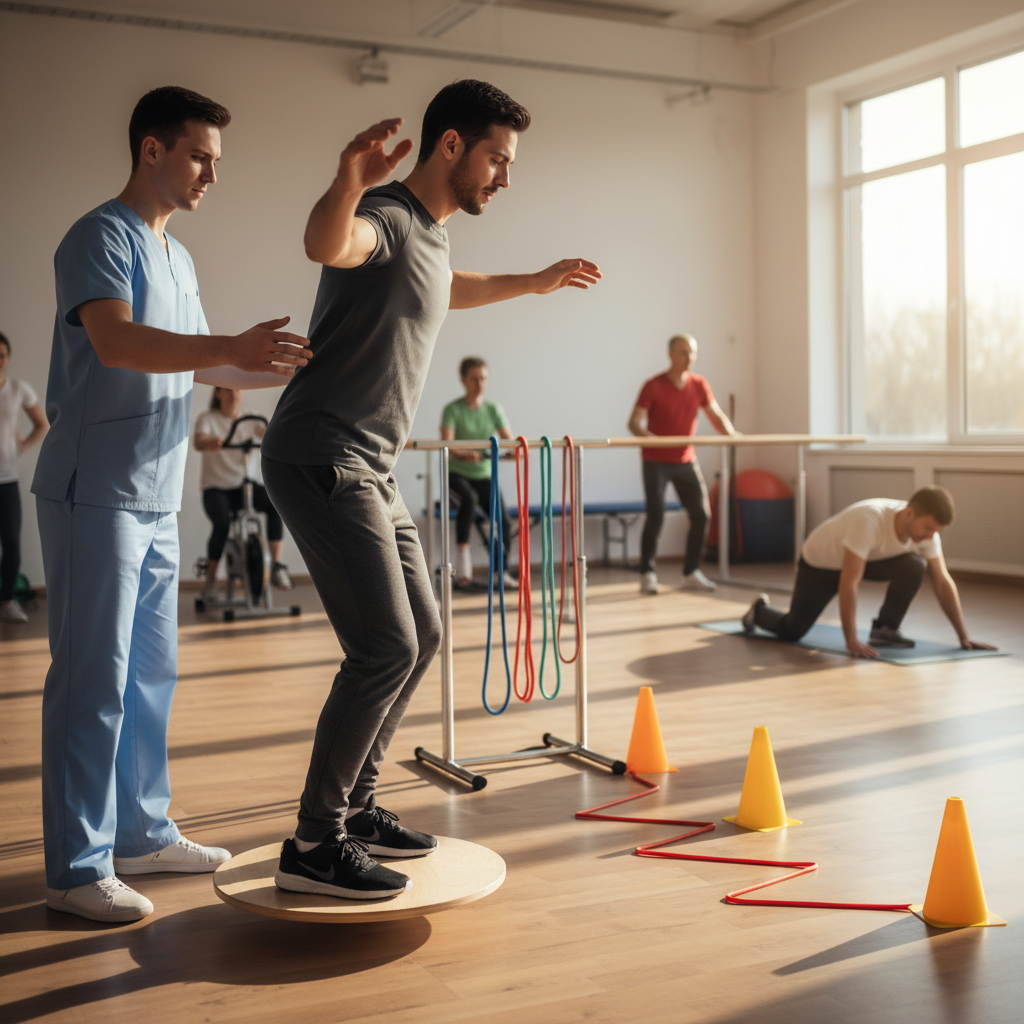
Soft CTA: Not sure where to start? Book an initial assessment at Whitby Physiotherapy & Sports Rehab. We’ll build a clear plan, coordinate direct MVA billing, and keep you moving forward—step by step.
Case Snapshots: Real-World Recovery in Whitby
Every crash is different. These anonymized cases show how we sequence care, pivot when symptoms stall, and blend services to keep momentum.
- Case 1: Rear-end with whiplash + dizziness
- Plan: Neck mobility, deep neck flexor work, vestibulo-ocular reflex drills, and symptom-limited cardio.
- Outcome: Returned to highway driving and full workdays; learned flare-up strategies and posture pacing.
- Resource: Our concussion physiotherapy program guided visual motion tolerance and balance.
- Case 2: Side-impact with shoulder strain
- Plan: Manual therapy, rotator cuff and scapular re-training, gradual overhead work.
- Outcome: Back to lifting and recreational tennis; prevention plan with weekly strength pillars.
- Reference: Sport-specific progressions aligned with our sports injury rehabilitation framework.
- Case 3: Low back pain after collision
- Plan: Hip mobility, trunk endurance, hinge training, walking program, and pacing education.
- Outcome: Comfortable commute, improved sleep, and confident lifting for work tasks.
- Case 4: Concussion with busy-office triggers
- Plan: Return-to-work staging, monitor exposure to screens and noise, daily vestibular work.
- Outcome: Full days with micro-breaks and environmental strategies; sustained progress documented for the insurer.
- Extra reading: Community-focused advice in our injury prevention guide helps maintain gains long term.
- Case 5: Lower-limb sprain + altered gait
- Plan: Ankle stability, hip strength, gait retraining; assessed need for custom orthotics.
- Outcome: Pain-free walking and return to recreational running with cadence tuning.
Frequently Asked Questions
Start early, progress steadily, and communicate symptoms clearly. Use integrated care to remove barriers, and keep a simple activity log to guide decisions and support claims.
How soon should I start rehab after a collision?
If emergency issues are ruled out, begin gentle movement within 48–72 hours and book an assessment in the first week. Early guidance reduces fear-avoidance and helps you pace activity. If you develop red flags—worsening neurological signs, severe headache, or chest pain—seek urgent medical care first.
Do I need a concussion or vestibular screen?
Yes, if you have headache, dizziness, visual motion sensitivity, or brain fog. Our concussion physiotherapy evaluates eye–head coordination, balance, and exertion tolerance, then prescribes symptom-limited cardio and targeted drills for safe return to work, driving, and sport.
What can I do at home to speed recovery?
Follow a daily routine of gentle mobility, short walks, and breathing drills, with posture breaks during desk work. Track sleep and triggers, and use your flare-up plan. Consistency is key—frequent, short sessions beat occasional long workouts early on.
When can I get back to work or sport?
We set milestones based on your symptoms and tasks. Many patients progress work tolerance between weeks 2–6 and add graded driving and sport practice between weeks 4–10. Your plan adapts to your goals and clinical findings, not arbitrary dates.
Will you help with my MVA claim and paperwork?
Yes. We provide structured documentation and direct billing for MVA claims, plus clear visit notes and milestone updates. This reduces administrative friction so you can focus on getting better.
Key Takeaways
Recovery accelerates when you combine early movement, progressive loading, and coordinated care—documented clearly for both you and your insurer.
- Phased plan wins: Calm symptoms → restore mobility → build strength → return to life.
- Screen early: Concussion and vestibular checks catch hidden drivers of dizziness and headaches.
- Integrated care: Physiotherapy, massage, chiropractic, and acupuncture under one roof save time and reduce stress.
- Documentation matters: Simple logs and milestone notes support good decisions and smoother claims.
Conclusion: Your Next Best Step
Book a thorough assessment, align on goals, and follow a staged plan with clear home routines. With coordinated services and direct billing, you’ll spend your energy on healing—not paperwork.
- Start within the first week if medically cleared.
- Use daily micro-sessions and pacing to prevent setbacks.
- Ask about vestibular screening if you’re dizzy or light-sensitive.
- Leverage integrated services and direct MVA billing at our Whitby clinic.
Ready to move forward? Our team at 198 Des Newman Blvd will guide your entire motor vehicle accident injury recovery—step by step—until you’re confidently back to work, sport, and everyday life.