
Living with chronic pain can affect much more than physical comfort. Persistent pain may make everyday movement harder, interfere with sleep, and limit activities you once enjoyed. When one approach does not provide enough relief, combining different therapies may offer another way to manage symptoms and support movement.
Physiotherapy and acupuncture in Witby take different approaches to pain management. Used together as part of an individualized care plan, they may address several aspects of a person’s condition while keeping treatment focused on function and daily activity.
How Physiotherapy Supports Chronic Pain Management
Physiotherapy focuses on movement, strength, mobility, and physical function. A physiotherapist may assess how an injury, weakness, joint restriction, or movement pattern contributes to ongoing discomfort.
Treatment may include therapeutic exercises, mobility work, manual techniques, education, and activity modifications. The specific approach depends on the person’s symptoms, health history, physical abilities, and goals.
For someone dealing with chronic back, neck, shoulder, or joint pain, a structured physiotherapy program may help improve mobility and gradually build capacity.
Where Acupuncture May Fit?
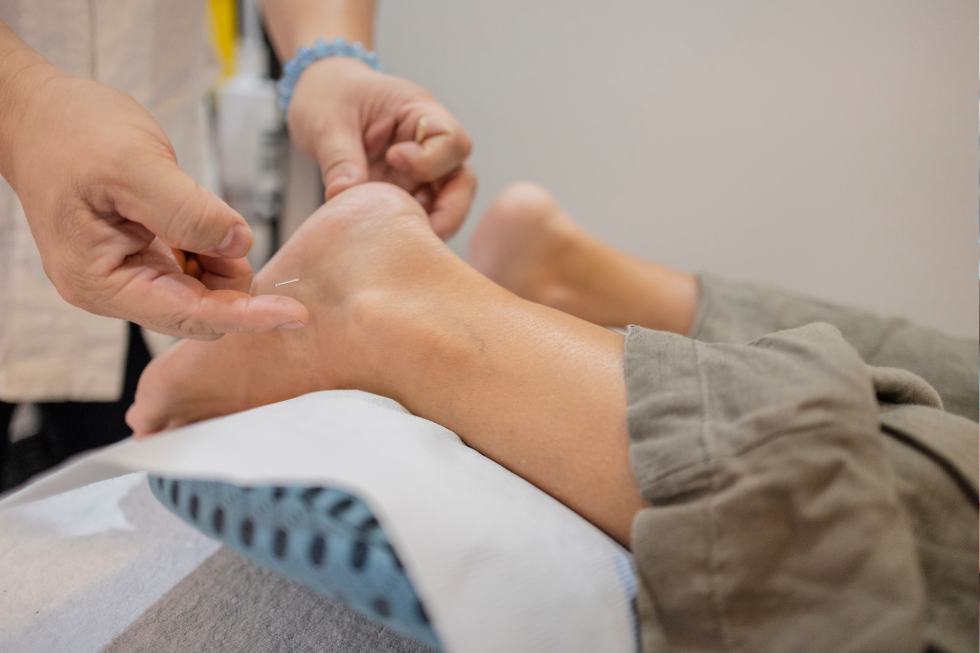
Acupuncture uses fine needles placed at specific points on the body. Research suggests acupuncture may help with some types of pain, including back or neck pain and osteoarthritis-related pain. However, results can vary between individuals and conditions.
Acupuncture should not be viewed as a replacement for appropriate medical assessment or other forms of care. Instead, it may be considered as one component of a broader pain-management plan when clinically appropriate.
Why Combine the Two Approaches?
Physiotherapy and acupuncture address different elements of pain and physical function. Physiotherapy can focus on restoring movement and developing physical capacity, while acupuncture may be used as an additional approach to managing pain symptoms.
For example, someone experiencing discomfort that makes exercise difficult may first receive treatment to reduce symptoms. As movement becomes more manageable, therapeutic exercises may become easier to perform.
This does not mean combining treatments will automatically provide faster relief. Chronic pain is complex, and the response to treatment differs from person to person. A qualified healthcare professional can determine whether combining approaches is appropriate.
What a Combined Treatment Plan May Look Like
A treatment plan should begin with an assessment rather than simply adding multiple therapies together. A physiotherapist may evaluate movement, strength, flexibility, pain patterns, and functional limitations.
If acupuncture is considered appropriate, the practitioner should also review relevant health information and discuss the treatment with the patient.
Depending on the individual’s needs, sessions may include physiotherapy exercises alongside acupuncture at different points in the treatment process. The plan can then be adjusted based on progress, symptoms, and functional goals.
What Patients Should Keep in Mind
Chronic pain should not be treated with a one-size-fits-all approach. The cause, duration, location, severity, and impact of pain all matter. Patients should tell their healthcare providers about existing medical conditions, medications, pregnancy, or other factors that could affect treatment choices.
Acupuncture in Whitby is generally considered safe when appropriately performed, but it is not risk-free and should be delivered by a properly trained practitioner. It is also important to seek medical assessment when pain is new, severe, unexplained, or accompanied by concerning symptoms.
Take the Next Step Toward Better Movement!
Whitby Physiotherapy & Sports Rehab provides physiotherapy and rehabilitation services in Whitby. If chronic pain is affecting your movement or daily activities, a professional assessment may help identify appropriate treatment options. Explore the clinic’s physiotherapy services and discover options that may support your recovery journey.