
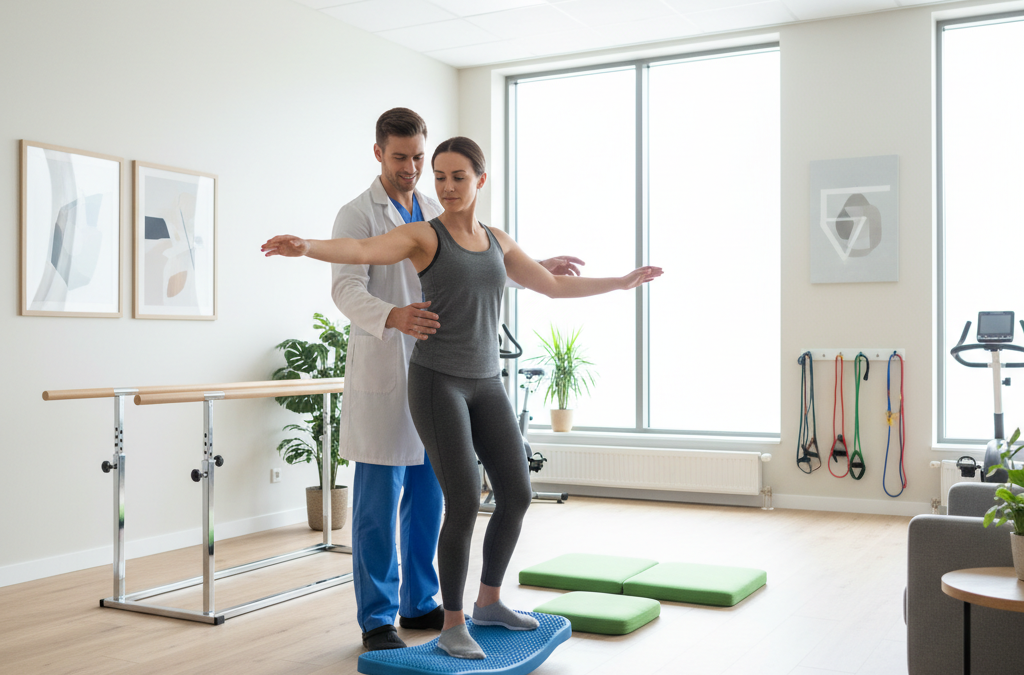
A concussion rehabilitation guide is a structured, step-by-step plan to help you recover from a mild traumatic brain injury safely and efficiently. It coordinates rest, graded activity, vestibular and vision therapy, neck care, and return-to-learn/return-to-play milestones. Done well, it shortens recovery time, reduces setbacks, and protects long-term brain health.
Quick Answer
Concussion rehabilitation guide means following a clear, clinician-led roadmap: brief relative rest (24–48 hours), symptom-limited activity, targeted therapies (vestibular, cervical, visual), and safe returns to school, work, and sport. At our clinic on 198 Des Newman Blvd in Whitby, we coordinate concussion and vestibular physiotherapy so you’re not navigating recovery alone.
Summary
Use a concussion rehabilitation guide to move from rest to full activity without relapse. Track symptoms daily, progress exercises when stable for 24 hours, and address dizziness, headaches, and neck stiffness early. A Whitby-based multi-disciplinary team streamlines care, insurance paperwork, and return-to-play decisions.
- What you’ll learn: What concussion rehab is, why it matters, how it works, and the best evidence-backed steps.
- Who it’s for: Athletes, students, workers (WSIB), and MVA patients in Whitby and the Durham Region.
- What’s inside: Step-by-step staging, return-to-learn/play checklists, tools, mini case studies, and FAQs.
- Local help: Integrated care at our concussion physiotherapy clinic in Whitby with vestibular therapy, sports rehab, and direct billing.
What Is Concussion Rehabilitation?
Concussion rehabilitation is a phased, clinician-guided program that restores normal brain, balance, and neck function after mild traumatic brain injury. It blends relative rest, graded aerobic exercise, vestibular and vision therapy, cervical spine treatment, and structured returns to school, work, and sport.
- Clear definition: A coordinated plan to manage symptoms (headache, dizziness, fogginess, light/noise sensitivity) and rebuild tolerance to movement, screens, and cognitive load.
- Core components:
- Relative rest: 24–48 hours of reduced exertion; avoid complete inactivity beyond two days.
- Graded exercise: Symptom-limited aerobic activity to improve cerebral blood flow.
- Vestibular/oculomotor therapy: Fix dizziness, blurred vision, and balance issues.
- Cervical spine care: Address neck stiffness and cervicogenic headaches.
- Return-to-learn/play: Stepwise exposure to screens, study, and sport.
- Timeframes we see clinically:
- Many adults recover in 2–4 weeks; adolescents can take longer.
- About 1 in 4 experience symptoms beyond four weeks; targeted therapy helps.
- Who leads it: Physiotherapists with concussion and vestibular expertise coordinate with your family doctor, school, and coach when needed.
At Whitby Physiotherapy & Sports Rehab, concussion care runs under one roof: vestibular therapy, cervical treatment, supervised exertion testing, and sport-specific progressions. That integration reduces mixed advice and speeds decisions.
Why a Concussion Rehabilitation Guide Matters
A structured guide reduces symptom spikes, speeds safe return to school and sport, and prevents the “good day, overdo it, crash” cycle. It coordinates therapies, clarifies daily limits, and provides objective criteria for progress so you rebuild tolerance without setbacks.
- Prevents boom-bust cycles: Without structure, people often push too hard on good days and pay for it later.
- Faster, safer recovery: Early, light activity within 48 hours is associated with quicker return to function, while prolonged rest may delay recovery.
- Objective checkpoints: Heart-rate thresholds, symptom scores, and balance measures reduce guesswork.
- Integrated support: Our team coordinates vestibular physiotherapy, cervical treatment, and graded exercise so plans don’t conflict.
- Real-world constraints: WSIB forms, MVA claims, school accommodations, shift work—we help align the plan with your life.
Here’s the thing: concussions are invisible injuries. Clear steps, daily limits, and clinician feedback make them manageable—and that’s exactly what a guide delivers.
How Concussion Rehabilitation Works
Rehabilitation progresses from relative rest to symptom-limited activity, then targeted therapies, and finally sport- or job-specific drills. You advance when symptoms remain stable for 24 hours after exposure. Setbacks are normal and handled by dialing back one stage, then rebuilding.
- Phase 0: Immediate care (0–48 hours)
- Relative rest: light walking, short quiet breaks, reduced screen time.
- Avoid risky activities (contact sports, ladders, heavy lifting).
- Hydration, regular meals, and consistent sleep schedule.
- Phase 1: Symptom-limited activity
- 10–20 minutes of light aerobic work below symptom threshold.
- Brief cognitive tasks (short emails, simple reading) with breaks.
- Monitor symptoms during and 24 hours after activity.
- Phase 2: Targeted therapy
- Vestibular/oculomotor drills, balance training, and gaze stabilization.
- Neck mobility, deep neck flexor activation, and posture retraining.
- Migraine-style headache strategies and visual accommodation drills.
- Phase 3: Controlled exertion
- Stationary bike or treadmill to 60–80% of max heart rate as tolerated.
- Dual-task challenges (movement + cognitive tasks).
- Sport-specific or job-specific movement patterns without contact.
- Phase 4–6: Return-to-learn/play/work
- Increase screen/study time with scheduled breaks and accommodations.
- Non-contact practice → full practice → full return, each separated by 24 hours and symptom checks.
- Work hardening for physically demanding jobs; ergonomic changes for desk work.
We confirm readiness with symptom scales, balance tests, and controlled exertion sessions. When needed, we coordinate with your physician for medical clearance.
Types of Concussion Rehabilitation: Methods That Work
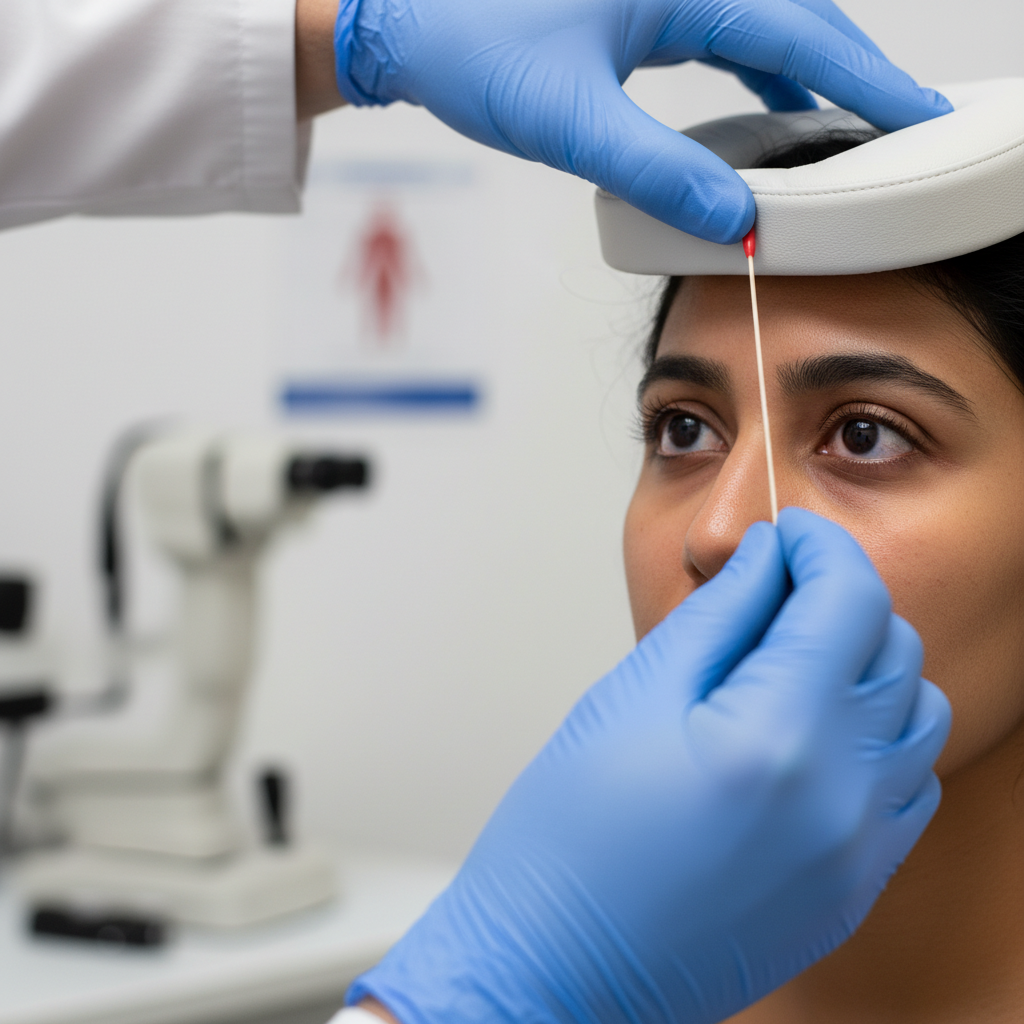
Effective concussion rehab targets the systems most affected—vestibular, visual, cervical, autonomic, and cognitive. The best plans combine gaze stabilization, balance retraining, graded aerobic exercise, neck therapy, and structured returns to school and sport, adjusted to the patient’s symptom profile.
Vestibular and Oculomotor Therapy
- Why it matters: Dizziness and visual blur strongly predict prolonged recovery.
- What we do:
- Gaze stabilization (VOR x1/x2), smooth pursuits, saccades.
- Balance progressions: firm → foam → dynamic surfaces.
- Optokinetic and visual motion sensitivity drills as needed.
- Example: A student with hallway dizziness improves with daily VOR x1 (3×45 seconds), progressing to moving background stimuli without nausea.
- Action: Book a targeted assessment through our vestibular physiotherapy program to tailor home exercises.
Cervical Spine and Headache Management
- Why it matters: Neck dysfunction can mimic or amplify concussion headaches and dizziness.
- What we do:
- Manual therapy, mobility drills, and deep neck flexor strengthening.
- Posture and ergonomic coaching for screens and reading.
- Headache hygiene: hydration, regular meals, and consistent sleep.
- Example: An office worker with end-of-day headaches improves after cervical mobilization and staged screen-time breaks (20–20–20 rule).
- Action: Pair neck care with vestibular work to reduce triggers from both systems.
Graded Aerobic Exercise and Autonomic Reset
- Why it matters: Controlled cardio improves blood flow regulation and reduces exertional intolerance.
- What we do:
- Sub-symptom threshold cycling or walking, 5–6 days/week.
- Heart-rate guided progression (e.g., Buffalo Concussion Treadmill principles).
- Dual-task drills to reflect real-world challenges.
- Example: A varsity athlete tolerates 15 minutes at 120 bpm, rising to 25 minutes at 140 bpm over two weeks without symptom spikes.
- Action: Increase duration by 10–15% only after 24 hours of stable symptoms.
Return-to-Learn and Return-to-Work
- Why it matters: Early, supported cognitive activity improves confidence and speeds reintegration.
- What we do:
- Noise/light accommodations, shortened classes or shifts, and scheduled breaks.
- Gradual screen-time exposure (blue-light filters, font scaling, darker themes).
- Teacher/employer notes that outline temporary modifications.
- Example: A Grade 11 student returns part-time with quiet-room breaks, resuming full classes in two weeks.
- Action: Use our templates to request accommodations; we’ll customize with your therapist.
Return-to-Play Progressions
- Why it matters: Premature return risks re-injury and prolonged symptoms.
- What we do:
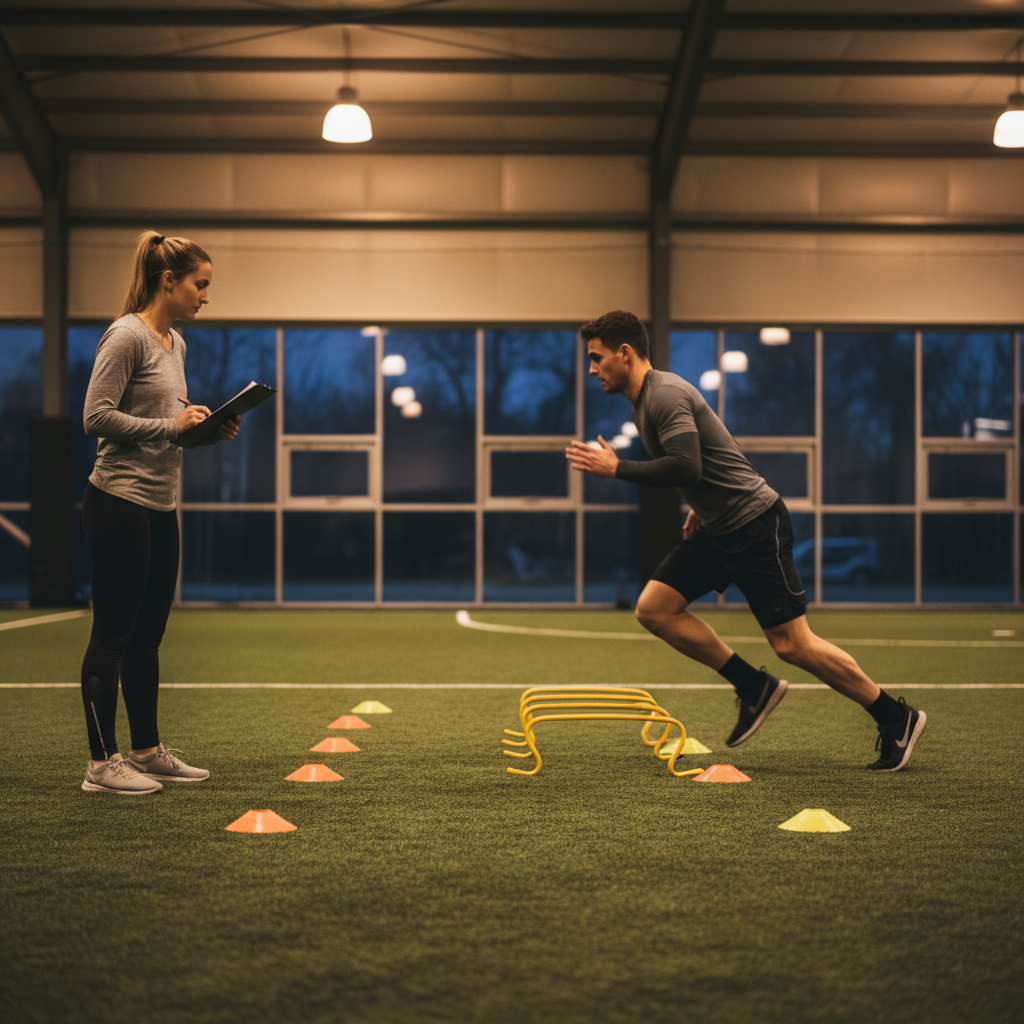
- Stage-based non-contact → controlled practice → full practice → competition.
- Heart-rate and symptom monitoring at each step with 24-hour spacing.
- Medical clearance where required by sport or school policy.
Best Practices for Concussion Recovery
Follow relative rest for 24–48 hours, then resume symptom-limited activity. Progress only after 24 hours of stable symptoms. Treat vestibular, visual, and cervical issues early, and use structured return-to-learn/work/play steps with clinician oversight.
- Do this in week 1:
- Keep walking, light chores, and gentle mobility—avoid bed rest.
- Short, frequent screen sessions with breaks; dim brightness.
- Prioritize sleep: fixed bedtime/wake time and no late naps.
- Nutrition and hydration:
- Eat regular, protein-rich meals; avoid skipping breakfast.
- Aim for steady hydration throughout the day.
- Limit alcohol and highly caffeinated drinks during recovery.
- Progression rules that work:
- Increase load by one variable at a time (intensity, duration, complexity).
- Use the 24-hour rule: stable today means progress tomorrow.
- Drop back one step after a flare, then rebuild steadily.
- When to escalate care: Worsening headaches, repeated vomiting, limb weakness, slurred speech, or seizures—seek urgent medical attention.
- Insurance/claims tip: For workplace injuries, we integrate care with WSIB rehabilitation support and coordinate return-to-work plans.
Step-by-Step Process Tables
Use simple tables to pace your return to school, work, and sport. Advance one step per 24 hours if symptoms remain stable. If symptoms spike, drop back one step for a day, then try again.
Graduated Return-to-Learn (School/Work Screens)
| Stage | Goal | Typical Exposure | Advance When |
|---|---|---|---|
| 0 | Relative Rest | Short, quiet breaks; minimal screens | Symptoms stable 24 hrs |
| 1 | Light Cognitive | 10–20 min reading/email, low brightness | No spike during/after |
| 2 | Part-Time | Half days with breaks, reduced workload | Stable 24 hrs |
| 3 | Full Days with Supports | Full schedule + accommodations | Stable 24 hrs |
| 4 | Full Return | Normal workload, remove supports | Stable performance |
Graduated Return-to-Play (Sport)
| Stage | Goal | Typical Activity | Advance When |
|---|---|---|---|
| 1 | Light Aerobic | Walking/cycling below threshold | Symptoms stable 24 hrs |
| 2 | Sport-Specific | Drills, no contact | No spike during/after |
| 3 | Non-Contact Practice | Complex drills, increased intensity | Stable 24 hrs |
| 4 | Full Practice | Normal training, no games | Medical clearance if required |
| 5 | Return to Play | Full competition | No symptoms post-game |
Local Tips
- Tip 1: If light and noise trigger symptoms, park on the south side of 198 Des Newman Blvd for the quietest entrance and bring sunglasses and a hat for glare control.
- Tip 2: Winter ice and wind in Whitby can worsen dizziness; wear traction footwear and schedule morning visits when roads are calmer.
- Tip 3: For WSIB or MVA cases, bring your claim number; our front desk streamlines insurer forms so your clinicians can focus on treatment.
IMPORTANT: These tips help you arrive comfortable and ready for assessment without symptom spikes.
Tools and Resources for Patients
Use simple tools to track symptoms, control triggers, and pace your return. A symptom diary, heart-rate monitor, blue-light filters, and printed checklists keep recovery objective and organized.
- Daily symptom tracker: Rate headache, dizziness, fatigue, and focus (0–10) morning and evening; note triggers and wins.
- Heart-rate guidance: Use a basic wrist monitor to stay below your exertion threshold; progress 10–15% only with stable symptoms.
- Vision/vestibular toolkit: A small dot target, metronome app, and foam pad cover most home drills.
- Screen comfort kit: Blue-light filters, larger fonts, darker themes, and scheduled breaks prevent flare-ups.
- Printable checklists: Return-to-learn and return-to-play steps you can tape to your fridge; we provide clinic-ready templates during your visit.
- Support network: Bring a family member to your first session; two sets of ears catch more details.
- Insurance organizer: Keep claim numbers, adjuster emails, and appointment receipts in one folder; our team supports direct billing where available.
Case Studies: Real-World Recovery in Whitby
Targeted, multi-disciplinary plans shorten recovery and reduce relapses. These brief scenarios show how vestibular therapy, neck care, and graded exertion work together for students, workers, and athletes.
- High school hockey winger (age 16)
- Problem: Dizziness and fogginess in busy hallways; symptom spikes during cardio.
- Plan: VOR x1 drills, foam balance, sub-threshold cycling, screen accommodations, weekly progress checks.
- Result: Back to full classes in two weeks; cleared to non-contact practice in week three; full play in week four without relapse.
- MVA office professional (age 38)
- Problem: Cervicogenic headaches and screen sensitivity after a rear-end collision.
- Plan: Cervical mobilization, deep neck flexor work, graded screen exposure, short-interval aerobic walking.
- Result: Headaches reduced by week two; returned to full workdays by week three with ergonomic tweaks.
- Warehouse worker (WSIB case, age 44)
- Problem: Dizziness with lifting and turning; fatigue by midday.
- Plan: Vestibular habituation, posture retraining, work-simulated drills, and coordination with WSIB rehab for graded hours.
- Result: Full shifts by week five; symptom-free at eight weeks.
- University soccer midfielder (age 20)
- Problem: Exertion intolerance—heart rate spikes trigger headache.
- Plan: Sub-threshold treadmill protocol and dual-task drills; non-contact technical work added at week two.
- Result: Returned to full training at week three; match play at week four.
- Recurring concussion history (age 27)
- Problem: Anxiety about relapse and inconsistent pacing.
- Plan: Symptom diary, 24-hour rule education, family involvement, and weekly coaching to right-size progressions.
- Result: Stable, steady gains; no setbacks over a four-week build.
Need a coordinated plan? Our team delivers concussion physiotherapy in Whitby, plus vestibular therapy and supervised exertion testing—under one roof with direct billing.
Comprehensive FAQ
Most people recover in 2–4 weeks with a structured plan. Start with relative rest, resume light activity within 48 hours, and seek targeted therapy if dizziness, headaches, or neck pain persist beyond a week.
- How soon should I start activity?
After 24–48 hours of relative rest, begin symptom-limited walking or cycling. Keep sessions short, monitor symptoms during and 24 hours after, and progress gradually. Prolonged bed rest can slow recovery, while controlled activity supports faster returns to normal routines.
- What if screens trigger symptoms?
Use dimmer settings, blue-light filters, larger fonts, and frequent breaks. Start with 10–15 minute blocks and build tolerance. If symptoms persist, targeted oculomotor therapy can help address visual motion sensitivity and accommodation issues.
- When should I worry or go to urgent care?
Go immediately if you notice repeated vomiting, worsening severe headache, limb weakness, severe neck pain, seizures, slurred speech, or unusual behavior. These can indicate complications that require urgent medical evaluation.
- Can I exercise if I still have symptoms?
Yes—at a sub-symptom threshold. Use a heart-rate monitor and keep intensity below levels that worsen symptoms during or within 24 hours after. Increase by 10–15% only with stability. Supervised exertion testing helps you find the right starting point.
- Do I need vestibular therapy?
If you feel dizzy, off-balance, or “sea-sick” in busy environments, vestibular therapy is often effective. A focused assessment guides gaze stabilization, balance retraining, and habituation exercises that reduce symptoms over days to weeks.
Conclusion
A clear concussion rehabilitation guide moves you from rest to full activity with fewer setbacks. Combine vestibular and neck care with graded exercise and structured returns to school, work, and sport for the safest, fastest path back.
- Key steps: Relative rest → symptom-limited activity → targeted therapy → controlled exertion → full return.
- Signals to progress: Stable symptoms for 24 hours and tolerable exertion levels.
- Local care: Our Whitby team coordinates vestibular, cervical, and sport-specific progressions with direct billing support.
Key Takeaways
- Use a written plan and a 24-hour stability rule to pace recovery.
- Treat dizziness and neck issues early; they’re common drivers of persistent symptoms.
- Resume light activity within 48 hours and progress gradually.
- Coordinate returns to school, work, and sport using simple tables.
Related Articles
Explore these concussion-recovery topics next: vestibular therapy basics, return-to-learn accommodations, and exertion testing principles. Each builds on the foundation of a structured rehabilitation plan.
- How vestibular therapy reduces dizziness after concussion
- Practical return-to-learn accommodations that actually help
- Finding your safe heart-rate threshold for exertion
- Neck-focused strategies for post-concussion headaches