
Every injury affects a person differently. A teenager recovering from a soccer injury may have different goals from a parent managing back pain or an older adult rebuilding strength after surgery. That is why a recovery plan needs to reflect the individual rather than follow the same routine for everyone.
At Whitby Physiotherapy & Sports Rehab, the process begins with understanding the person, the condition, and the activities they want to return to. The clinic provides physiotherapy and multidisciplinary rehabilitation services for people with different mobility and recovery needs.
Starting With a Thorough Assessment
A customized plan begins with an assessment. A physiotherapist may review the injury history, symptoms, movement patterns, strength, flexibility, and functional abilities. The assessment can also consider related areas of the body that may influence movement.
For sports injuries, this process may include evaluating how the injury affects sport-specific movements. The clinic describes assessing the injured area alongside related joints and body regions before developing a recovery plan. This information provides a practical starting point for setting appropriate goals.
Building Recovery Around Individual Goals
Recovery looks different for every family member. One person may want to return to recreational sports, while another may simply want to walk, work, or manage everyday activities more comfortably.
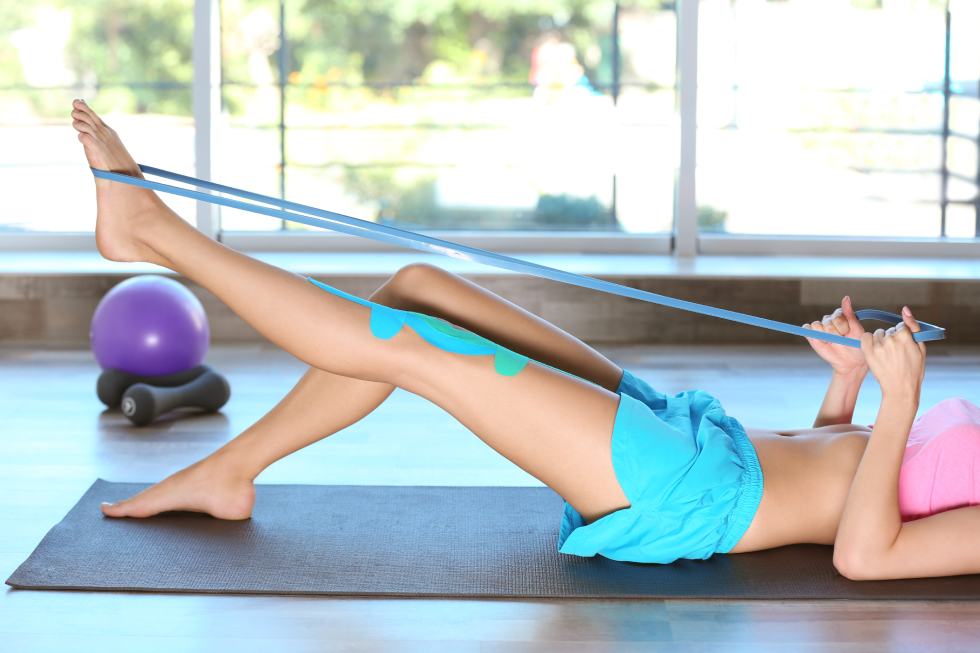
A Whitby physio plan can be adjusted according to these goals. Treatment may include therapeutic exercises, mobility work, manual techniques, balance training, and functional retraining. The clinic’s physiotherapy services include exercise therapy and movement retraining for posture, gait, balance, and coordination.
Progressing Through Different Recovery Stages
Recovery is rarely a single-step process. A plan may begin with symptom management and gentle movement before progressing toward strengthening and functional activities. The clinic outlines several stages, including pain relief, introducing movement, strengthening, functional retraining, and recovery and prevention.
Progress can be adjusted as a person’s abilities change. If an exercise becomes easier, the next stage may introduce greater resistance, balance demands, or activity-specific movements.
Supporting Sports and Active Lifestyles
For athletes, returning to activity involves more than waiting for discomfort to disappear. The body may need to rebuild strength, coordination, stability, and tolerance for sport-specific movements.
The clinic’s sports injury physiotherapy approach includes personalized rehabilitation, strength and conditioning, taping or bracing when appropriate, home exercises, biomechanics guidance, and return-to-sport planning.
Keeping Home Exercises Part of the Plan
Progress does not only happen during appointments. A home exercise program can give patients structured activities to continue between visits.
Whitby Physiotherapy & Sports Rehab lists individualized home exercises as part of its sports injury rehabilitation approach. For busy families, having clear exercises and realistic instructions may make it easier to incorporate rehabilitation into everyday routines.
Coordinating Care When Needed
Some recovery situations involve more than one type of care. The clinic offers physiotherapy alongside chiropractic care, massage therapy, acupuncture, custom orthotics, vestibular and concussion physiotherapy, and other services. This multidisciplinary structure may be useful when a person’s recovery involves several related needs.
Move Forward With a Recovery Plan Built Around You!
Recovery does not look the same for everyone. Whitby Physiotherapy & Sports Rehab offers personalized rehabilitation plans designed around individual needs, activity levels, and recovery goals. Take the next step toward your recovery with a plan that fits your routine, your goals, and the activities that matter to you.