
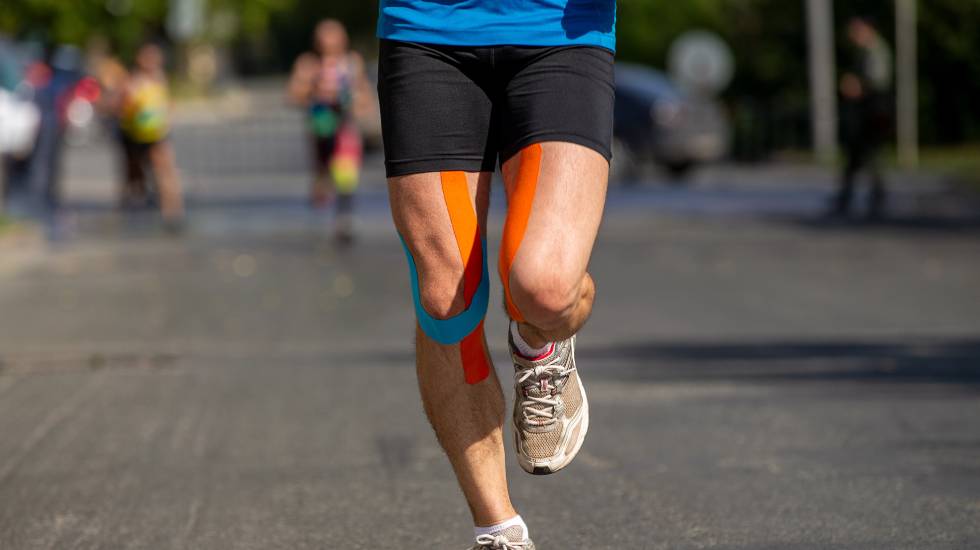
For many runners, knee pain can be a frustrating and recurring issue. Often referred to as “runner’s knee,” or patellofemoral pain syndrome, it can sideline even the most dedicated athletes. One popular short-term solution that many clinics offer is Kinesio Taping, a technique designed to support the knee and reduce discomfort during activity.
While Kinesio Taping can provide temporary relief, relying on it alone may mask the underlying issues rather than resolving them. Understanding why a comprehensive approach is essential can save runners from ongoing pain and recurring injuries.
Kinesio Taping: Temporary Relief, Not a Fix
Kinesio Taping is widely used in sports injury physiotherapy to support joints, improve circulation, and reduce pain. When applied correctly, the tape can relieve discomfort, allowing athletes to continue their training or competition. However, it is crucial to recognize that this method primarily addresses symptoms rather than causes. Knee pain often stems from muscle imbalances, biomechanical misalignment, or weakness in the hips, quadriceps, or calves. Without addressing these root causes, tape serves as little more than a band-aid.
Many runners searching for “Whitby physio” or “best physiotherapy in Whitby” may be offered Kinesio Taping as a quick solution. While it can be a helpful tool during rehabilitation, lasting recovery requires a deeper assessment.
The Importance of Comprehensive Sports Injury Rehabilitation
Effective treatment for runner’s knee goes beyond temporary symptom relief. Sports injury physiotherapy emphasizes a thorough evaluation of the lower body to identify biomechanical issues. This may include assessing gait, hip strength, ankle mobility, and foot alignment. For some runners, custom orthotics in Whitby may be recommended to correct subtle foot or leg imbalances that contribute to knee stress. Addressing these root causes improves stability, reduces strain on the knee joint, and helps prevent future injuries.
Rehabilitation programs often incorporate multiple modalities. Techniques such as massage therapy in Whitby can reduce muscle tension, while acupuncture in Whitby may support pain management and recovery. Chiropractors in Whitby and osteopaths in Whitby can assist with joint alignment and mobility, creating a holistic approach to restoring function. By combining these therapies, runners are more likely to achieve sustainable results rather than temporary relief.
Strength, Mobility, and Education
A key component of lasting recovery is targeted strengthening and mobility exercises. Weakness in the hips or quadriceps, tight hamstrings, or limited ankle mobility can all contribute to knee pain. A structured exercise plan developed by a Whitby physiotherapy clinic ensures that muscles are strengthened in a balanced way and movement patterns are corrected. Patients are also educated on proper running mechanics, pacing, and recovery strategies to minimize stress on the knees.
When to Seek Advanced Assessment
Persistent knee pain may indicate more complex issues. Runners experiencing ongoing discomfort despite Kinesio Taping or basic rehab may benefit from specialized assessments. Services like pelvic floor physiotherapist nearby in Whitby, physio for vertigo, or targeted concussion treatment in Whitby can sometimes be part of a broader rehabilitation strategy when balance, posture, or neurological factors contribute to joint stress.
Move Beyond the Tape: Restore Strength and Function!
If you are struggling with knee pain and want more than temporary relief, Whitby Physiotherapy & Sports Rehab offers complete sports injury rehabilitation designed to get you back on track. Explore their tailored programs and integrated services by visiting our website and take the first step toward lasting recovery.