
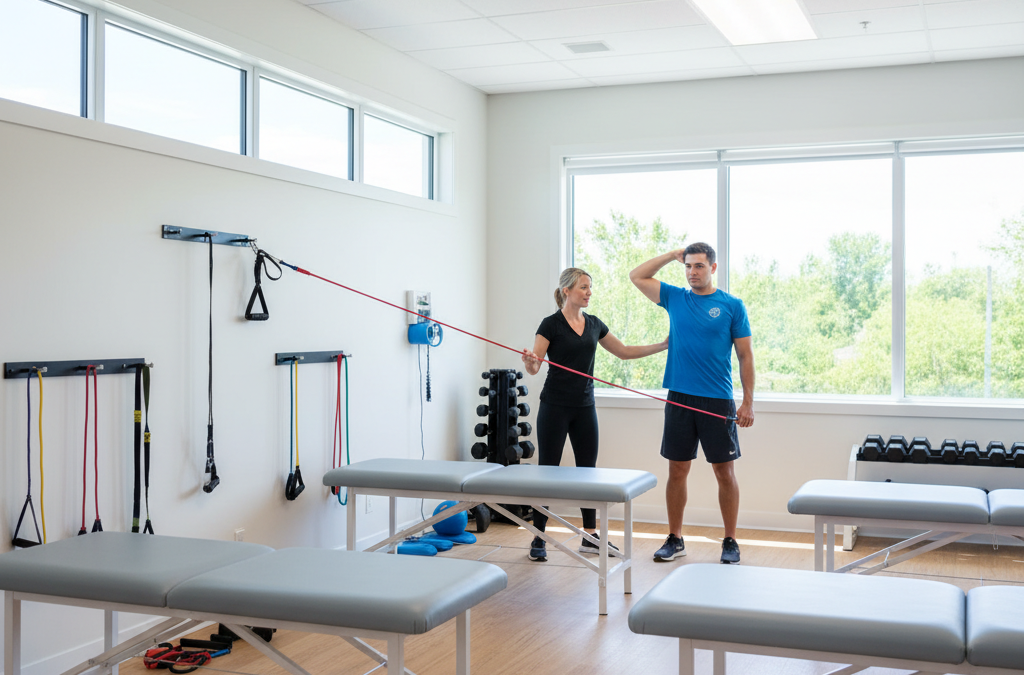
Physiotherapy in Whitby is evidence-based assessment, manual therapy, exercise, and therapeutic technologies that restore movement and reduce pain. At Whitby Physiotherapy & Sports Rehab (198 Des Newman Blvd), registered therapists coordinate physiotherapy, chiropractic, massage, and specialty programs so you can return to work, sport, and daily life confidently.
Quick Answer
For physiotherapy Whitby, Whitby Physiotherapy & Sports Rehab at 198 Des Newman Blvd provides complete, evidence-based care under one roof—physio, pelvic floor, concussion/vestibular, shockwave, Bioflex laser, chiropractic, and massage—with direct insurance billing and fast online booking.
Start Here: Your Whitby Physio Plan (Above the Fold)
Begin with a brief assessment, get a clear diagnosis, and follow a phased plan: reduce pain, restore mobility and strength, then return to activity with prevention built in. Booking, insurance, and specialty services are coordinated at our 198 Des Newman Blvd clinic.
Here’s how this guide helps you move from pain to performance—step by step.
- What you’ll learn: How modern physiotherapy works, when to choose specialty care, and what a complete rehab plan looks like in Whitby.
- Why it matters: Fast, accurate diagnosis and a structured plan shorten recovery time and reduce re-injury risk.
- What you’ll get: Checklists, best practices, and examples drawn from our integrated clinic model.
Table of Contents
- What Is Physiotherapy?
- Why Physiotherapy Matters
- How Care Works at Our Clinic
- Types of Care and Specialty Programs
- Best Practices for Faster Recovery
- Tools and Resources
- Case Studies and Local Examples
- FAQ
- Conclusion
What Is Physiotherapy in Whitby?
Physiotherapy in Whitby is a regulated healthcare service that evaluates how you move, treats pain with hands-on care and exercise, and restores function with targeted progressions. Our multi-disciplinary team adds specialty programs—pelvic floor, vestibular, concussion, and sports rehab—for complete recovery.
- Core definition: Physiotherapy addresses pain, mobility, and performance using assessment-driven care: manual therapy, therapeutic exercise, education, and modalities.
- Integrated model: Our clinic unites physiotherapy with chiropractic, massage, osteopathy, naturopathy, chiropody, acupuncture, and advanced tech (Shockwave, Bioflex laser).
- Why integration wins: When back, hip, or shoulder pain overlaps with pelvic floor or vestibular issues, a single team prevents fragmented care and speeds results.
- Real clinic metrics: 20k+ patients treated, 200+ five-star reviews, 30+ years of experience—evidence of trusted outcomes in the Durham Region.
- Access made easy: Direct insurance billing, support for MVA and WSIB claims, and quick online booking streamline your first visit.
Physiotherapy Whitby searches are rising as more residents seek non-drug, non-surgical solutions with measurable results. A coordinated plan, not isolated treatments, creates durable change.
Why Physiotherapy Matters for Whitby Residents
Physiotherapy reduces pain, restores mobility, and prevents setbacks by fixing root causes—strength, movement control, and tissue health. In Whitby, our clinic’s multi-disciplinary approach aligns treatment, insurance, and scheduling so patients recover sooner and stay active longer.
- Speed to clarity: A precise diagnosis in week one corrects course early, avoiding months of trial-and-error.
- Pain plus cause: Good care treats symptoms and the driver (e.g., hip stiffness fueling back pain, cervical mobility feeding headaches).
- Durable outcomes: Graduated loading, balance retraining, and home programming reduce re-injury risk for work and sport.
- Community realities: Between commuter sitting, seasonal yardwork, and recreational sport, Whitby residents benefit from spine, shoulder, knee, and ankle resilience.
- Administrative relief: Direct billing and MVA/WSIB support remove friction so you can focus on recovery.
Here’s the thing: relief without restoration is temporary. Restoration without prevention is incomplete. A complete plan does both.
How Physiotherapy Works at Whitby Physiotherapy & Sports Rehab
Care follows a phased pathway: assess, relieve, restore, perform, and prevent. Each phase has clear goals and objective measures. Our team coordinates specialty inputs—pelvic floor, vestibular, chiropractic, massage, and technology—so progress is seamless.
The 5-Phase Care Pathway
- 1) Assess & Diagnose: History, movement testing, special tests, and red flag screening. You leave with a working diagnosis and an initial plan.
- 2) Relieve Pain & Irritability: Manual therapy, specific exercise dosing, education, and modalities (as indicated: Shockwave, Bioflex laser, acupuncture).
- 3) Restore Mobility & Capacity: Strength, range, balance, and motor control progressions tailored to your sport or job demands.
- 4) Return to Performance: Task-specific loading, agility, plyometrics, and work-hardening as appropriate.
- 5) Prevent & Sustain: Self-management plan with mobility, strength, and activity guidelines that fit your schedule.
What to Expect in Your First Visit
- Objective testing: Range of motion, strength screens, balance/vestibular checks when relevant, and functional tasks (squat, reach, gait).
- Immediate steps: Clear do/don’t list, first exercise prescriptions, and any manual therapy indicated for early relief.
- Roadmap: Milestones and timelines so you know exactly how we’ll measure success.
Physio vs Chiropractic vs Massage: What’s Different?
| Service | Primary Goal | Best For | Typical Add-Ons |
|---|---|---|---|
| Physiotherapy | Restore movement & capacity | Sprains, strains, post-op, chronic pain | Exercise progressions, Shockwave, Bioflex |
| Chiropractic | Optimize joint mechanics | Spinal/joint restrictions, acute pain | Mobilization, adjustments, stabilization |
| Massage Therapy | Reduce tone & stress | Muscle tension, recovery, stress relief | Soft-tissue release, breathing drills |
In our experience, the best results in physiotherapy Whitby come from blending these disciplines around one diagnosis and plan.
Explore more about how we structure one-to-one sessions on our physiotherapy overview.
Types of Care and Specialty Programs (Whitby)
Beyond spine and joint care, our clinic runs focused programs: pelvic floor physiotherapy, concussion and vestibular rehab, sports injury rehabilitation, Shockwave Therapy, Bioflex laser, custom orthotics, chiropractic, massage, and acupuncture—delivered by a coordinated team in one location.
Pelvic Floor Physiotherapy (Men & Women)
- Why it matters: Pelvic floor dysfunction influences hip, back, and core mechanics; addressing it improves stubborn pain and performance.
- How it works: Thorough history, external/internal assessment (with consent), breathing and coordination drills, strength and relaxation strategies.
- Common signs: Persistent low back/hip pain, urgency, postpartum concerns, core weakness, or pressure with lifting/running.
- Action step: If your back or hip pain hasn’t responded to standard care, consider a pelvic assessment in Whitby.
Learn how pelvic floor care integrates with orthopedics on our pelvic floor program page.
Concussion Physiotherapy
- Focus: Symptom-guided, exertional progressions with visual/vestibular retraining and cervical spine management.
- Return to learn/work/sport: Phased exposure with objective thresholds; symptom stability leads each phase.
- Coordination: Collaboration with primary care and coaches to balance safety and momentum.
Our structured approach is outlined here: concussion rehabilitation steps.
Vestibular Physiotherapy
- Conditions: BPPV, vestibular hypofunction, post-concussion dizziness, and balance disorders.
- Care elements: Canalith repositioning (for BPPV), gaze stabilization, balance progressions, and fall-prevention strategies.
- Outcome: Fewer dizzy spells, steadier gait, and confidence in crowded or low-light environments.
Read more about how vestibular rehab works: vestibular physiotherapy in Whitby.
Sports Injury Rehabilitation
- Acute to performance: Calm pain and swelling, then reload tissues with strength, plyometrics, and agility work.
- Sport specificity: Drills mirror skating stride, cutting mechanics, or overhead patterns as needed.
- Prevention lens: Movement quality, load management, sleep, and recovery habits lock in gains.
Shockwave Therapy
- What it is: Extracorporeal shockwave delivers acoustic energy to tendons and fascia to stimulate healing.
- When we use it: Persistent plantar fasciitis, tennis elbow, calcific shoulder tendinopathy, or stubborn Achilles issues.
- How it helps: Breaks the pain-stalling cycle so exercise therapy can progress.
Bioflex Laser Therapy
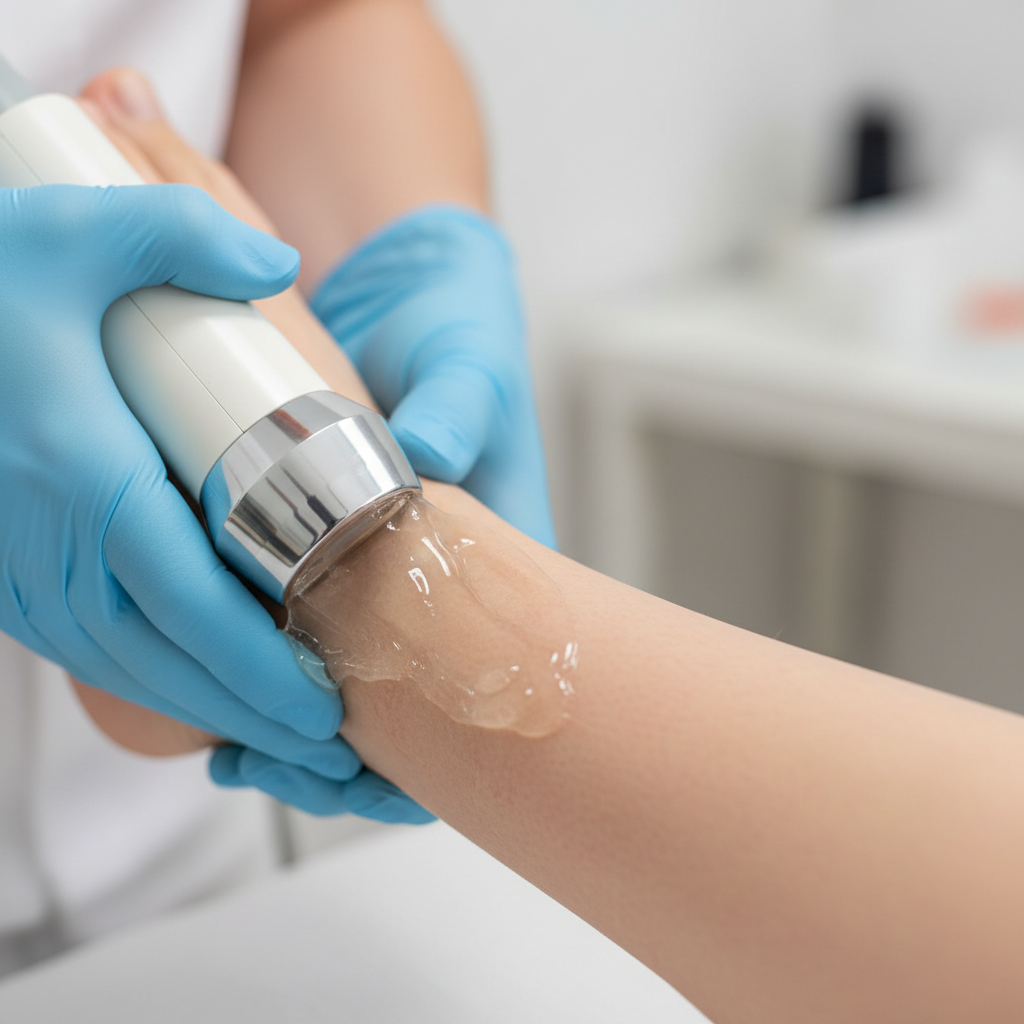
- What it is: Low-level laser (photobiomodulation) that supports tissue healing and modulates inflammation.
- Use cases: Acute sprains/strains, arthritic flare-ups, nerve irritation, and post-surgical healing windows.
- Pairing: Complements manual therapy and exercise to accelerate early-phase relief.
Custom Orthotics & Chiropody
- Why feet matter: Foot mechanics steer force up the chain—knees, hips, and back.
- What we do: Assessment, gait analysis, and orthotic design when indicated; foot care through chiropody.
- For runners and workers: Useful when repetitive load meets biomechanical predisposition.
Chiropractic Care
- Role: Joint mobilization/adjustments, regional interdependence, and stabilization strategies.
- When it helps: Pain with joint restrictions or segmental stiffness limiting movement quality.
- Integration: Aligned with physio goals and progressions.
Massage Therapy
- Benefits: Lowers tone and pain sensitivity, supports recovery, and reduces stress.
- Use with: Strength and mobility blocks to consolidate gains.
- Common areas: Neck/shoulders for desk workers, calves/Achilles for skaters and runners.
Acupuncture
- Purpose: Neuromodulation of pain and muscle tone, sometimes paired with electrical stimulation.
- Indications: Neck and back pain, headaches, and select tendinopathies.
- Approach: Clinician-guided and integrated into the overall plan—not standalone.
Mid-Article CTA: Talk to Our Team
Unsure which program fits? Book an assessment and we’ll map your plan—physio, pelvic floor, concussion/vestibular, and more—coordinated at 198 Des Newman Blvd with direct billing.
Local Tips
- Tip 1: 198 Des Newman Blvd is easily reached from Brock St and Victoria St. Plan a few extra minutes during weekday rush near nearby sports venues.
- Tip 2: Winter boots change gait—bring indoor shoes for accurate movement testing and orthotic assessment.
- Tip 3: If you’re post-concussion, arrive a bit early to acclimate to lighting and movement in the clinic before assessment begins.
IMPORTANT: These tips help you get the most accurate assessment and a smoother visit based on our Whitby clinic operations.
Best Practices for Faster Recovery
The fastest recoveries follow a structured plan: consistent home exercise, smart load management, quality sleep, and early specialty referral when red flags appear. Align your weekly routine to the program so tissues adapt and symptoms settle.
Daily and Weekly Habits
- Micro-doses of movement: 2–3 brief sessions beat one long weekend workout for tendon and spine health.
- Sleep targets: Prioritize a steady schedule; poor sleep ramps pain sensitivity and slows tissue recovery.
- Load progressions: Increase volume or intensity gradually; track soreness 24–48 hours after new drills.
- Breathing & bracing: Coordinate diaphragmatic breathing with lifts and carries for back and pelvic stability.
Programming Principles
- Expose, don’t explode: Nudge into the discomfort threshold that signals adaptation—avoid flare-ups that stall momentum.
- Spread the stress: Rotate patterns (push, pull, hinge, squat, carry) to avoid repeating the same tissue stress daily.
- Recovery blocks: Include easy days and soft-tissue work to consolidate new capacity.
When to Add Specialty Care
- Pelvic or vestibular clues: Urgency, pressure, dizziness, visual strain, or motion sensitivity.
- Stubborn tendons: Consider Shockwave to unlock progress when exercise alone stalls.
- Recurrent sprains: Foot/ankle instability may need orthotic input plus targeted balance retraining.
Tools and Resources
Use structured checklists and service pages to pick the right path: general physiotherapy for most sprains/strains, pelvic floor or vestibular for specific patterns, and technology add-ons for stubborn cases. Booking and billing are streamlined online.
Quick Decision Guide
- Back/neck/shoulder/hip/knee pain: Start with a general physiotherapy assessment.
- Dizziness or visual motion issues: Check our vestibular program.
- Headaches after a hit or fall: Review concussion rehab steps.
- Postpartum or pelvic symptoms: Explore pelvic floor physiotherapy.
- Not sure? Scan our full services list or book an assessment.
Self-Check Before Your Visit
- Triggers and reliefs: Note what makes symptoms better/worse (sitting, stairs, overhead reach, first steps in the morning).
- Activity demands: Jot down sport/job tasks we must match in your program.
- Medication/allergies: Bring an up-to-date list for safe planning.
- Footwear: Bring your most-used pair for gait and loading tests.
Process Map (At a Glance)
| Stage | Goal | What You’ll Do | Progress Check |
|---|---|---|---|
| Assess | Diagnosis & plan | Testing + first exercises | Clear home start-up |
| Relieve | Lower pain/irritability | Manual + dosage tweaks | Symptoms trend down |
| Restore | Mobility/strength/balance | Progressive drills | Capacity markers up |
| Perform | Return to tasks/sport | Specific readiness work | Task tolerance met |
| Prevent | Keep gains | Habit stack + plan | Check-ins as needed |
Case Studies and Local Examples
Real scenarios show the process: a desk worker with chronic neck pain, a youth hockey player with an ankle sprain, and a runner with plantar fasciitis. Each case follows assess–relieve–restore–perform–prevent with targeted specialties when needed.
Chronic Neck Pain for a Commuter
- Issue: Headaches and neck stiffness after long drives.
- Plan: Cervical/thoracic mobility, postural strength, massage for tone, and work setup tweaks.
- Result: Fewer headaches, better desk tolerance, sleep improves.
Hockey Ankle Sprain
- Issue: Lateral ankle sprain affecting skating stride.
- Plan: Swelling control, balance progressions, strength/power, and return-to-ice drills.
- Result: Full practice tolerance, prevention plan for season.

Runner with Plantar Fasciitis
- Issue: First-step heel pain and limited mileage.
- Plan: Calf/foot strength, mobility work, potential Shockwave, and footwear review with orthotics if indicated.
- Result: Pain-free morning steps and graded return to distance.
FAQ: Physiotherapy Whitby
Plan for an assessment-driven program with measurable milestones. Expect hands-on care, targeted exercises, and technology when helpful. Direct billing and MVA/WSIB support simplify visits at our 198 Des Newman Blvd clinic.
- How do I know if I need physiotherapy or chiropractic?
If movement is limited by joint restriction, chiropractic can unlock mechanics; if you also need strength and motor control, physiotherapy builds the capacity to keep gains. At our clinic, providers coordinate so you get exactly what you need—sometimes both. - What does a first physio session include?
History, movement and special tests, red flag screening, diagnosis, and an initial plan. Most people leave with their first exercises, a do/don’t list, and a clear picture of milestones. - Is Shockwave or Bioflex laser right for me?
We use technology selectively. Shockwave can jumpstart stubborn tendons; Bioflex laser helps in acute irritation or healing windows. Your clinician will explain if and how these fit your plan. - When should I consider pelvic floor or vestibular care?
Pelvic clues include urgency, pressure, or unresolved back/hip pain. Vestibular clues include dizziness, visual motion sensitivity, or imbalance after concussion. Early referral speeds progress. - Do you support WSIB and MVA claims?
Yes. We help with claim setup and provide direct insurance billing so you can focus on rehab. Bring any relevant claim details to your assessment.
Conclusion
Choose a structured, evidence-based plan and a coordinated team. At Whitby Physiotherapy & Sports Rehab, we assess precisely, treat what matters, and coach prevention so you can live and move with confidence in Whitby.
- Start with clarity: Assessment and a practical diagnosis are your fastest path to results.
- Build capacity: Progressive strength, mobility, and balance protect against re-injury.
- Leverage specialties: Pelvic floor, concussion/vestibular, and technology when needed.
- Make it easy: Direct billing and online booking reduce friction.
Key Takeaways
- Physiotherapy Whitby works best within a phased, measurable plan.
- Integrated services under one roof speed recovery and simplify logistics.
- Habits—sleep, graded loading, and daily movement—lock in progress.
- Specialty programs address complex drivers and prevent setbacks.
Ready to get moving? Book your assessment with our team at 198 Des Newman Blvd and take the first step toward pain-free living.